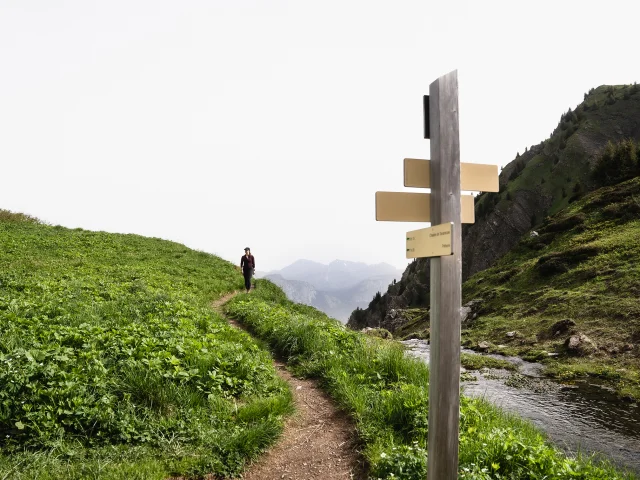
115. Gr5 From Le Refuge De Bise Nicolas Blandin 2
|
1. Make sure you’re well prepared for your outing
Check the forecast before you set off
- Check the weather forecast on Météo-France to avoid thunderstorms, fog or extreme temperatures.
- Check trail conditions on specialist websites such as Camptocamp or at local tourist information centres.
Choose a route suited to your ability
- Assess the difficulty (elevation gain, duration, technical difficulty) and do not overestimate your abilities.
- Consult IGN maps (Géoportail) and guidebooks to plan your route carefully.
- You can also assess your level here.
Prepare your kit
The right kit is essential:
- Hiking boots suitable for the terrain
- Layered clothing to cope with changing weather conditions
- A rucksack containing water (at least 1.5 litres per person), snacks, a map, and a compass or GPS
- First-aid kit and emergency blanket
- Head torch with spare batteries
- A fully charged mobile phone with the ‘SAIP’ app for safety alerts
2. Behave responsibly on the trails
Follow the signposts
- Follow the official signposts to avoid getting lost.
- Stay on the paths to protect the flora and prevent soil erosion.
Don’t overestimate your strength
- Take regular breaks and be aware of how tired you are.
- If you encounter difficulties, do not take any risks and turn back if necessary.
Dealing with natural hazards
- In winter, check the Avalanche Risk Assessment Bulletin (ANENA).
- In summer, be aware of rockfalls and flash floods in the mountains.
- Download the GendLoc app to share your location in an emergency.
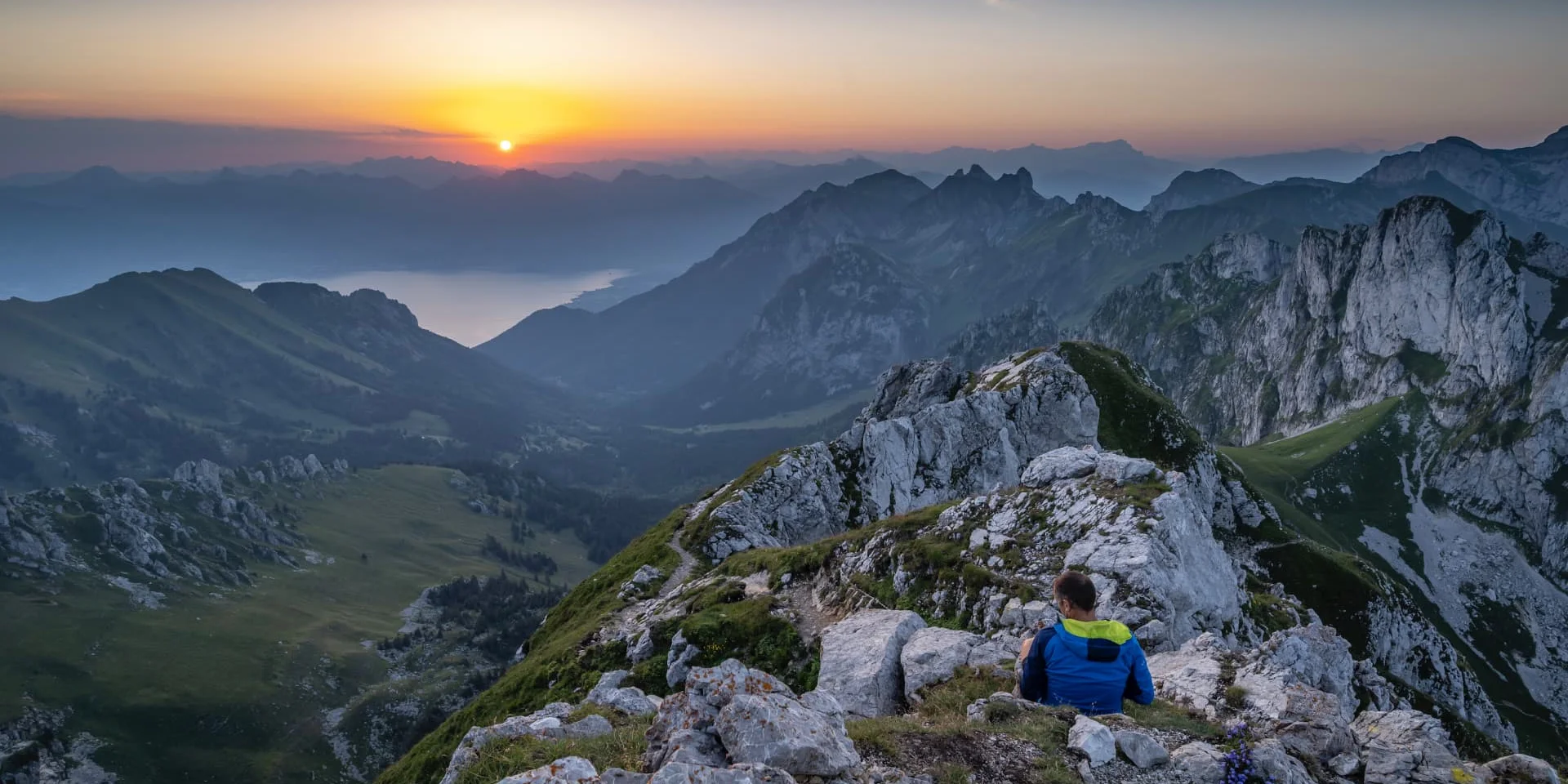
Bivouac hike at Lac De Tavaneuse
|
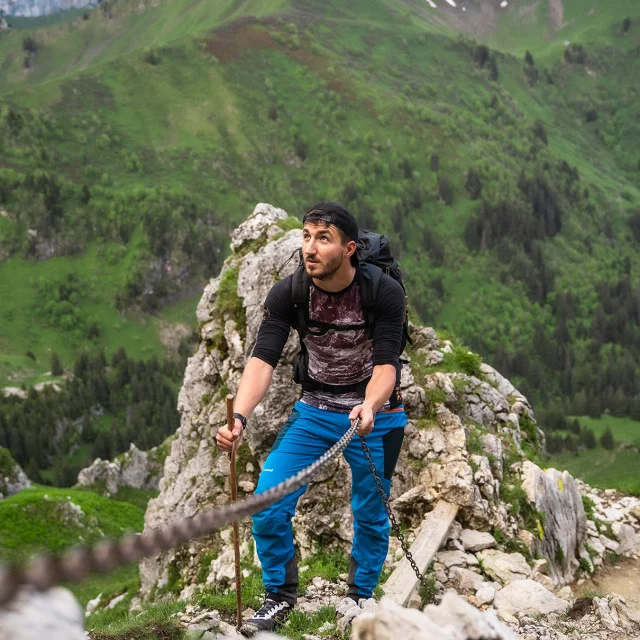
Dent D'Oche hike
|
3. Respect for nature and others
Protecting flora and fauna
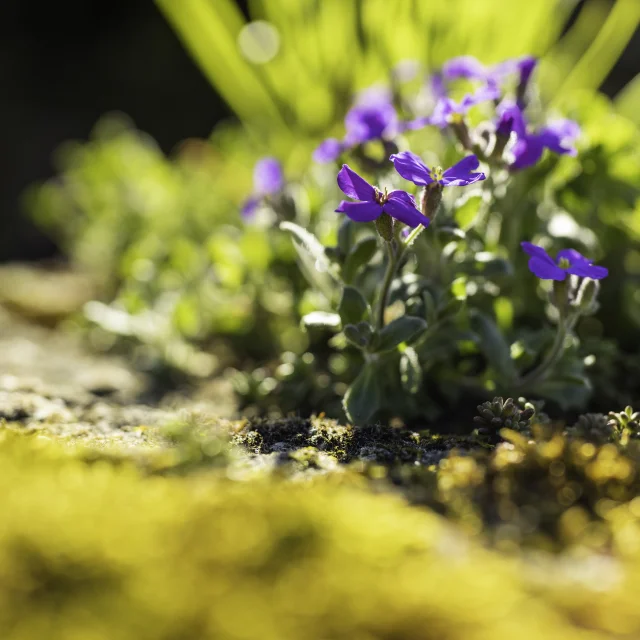
- Do not pick plants: some species are protected.
- Keep your distance from wild animals, especially in spring (when they are giving birth).
Minimising your environmental impact
- Take all your rubbish home with you (including biodegradable items such as peelings).
- Use reusable water bottles and avoid single-use packaging.
Reducing noise pollution
- Speak quietly and avoid playing music so as not to disturb wildlife or other walkers.
Follow the rules on wild camping
- Wild camping is regulated: check with your local council or Parcs Nationaux de France for information on permits.
- Choose mountain huts and designated camping areas.
- Do not light fires in open countryside to prevent wildfires.
4. Safety in the mountains: what should you do if you get into trouble?
Emergency numbers in the mountains
- 112: European emergency number
- 15: Ambulance service
- 18: Fire brigade
- 114: Emergency text message service for deaf or hard-of-hearing people
What to do if you find yourself in difficulty
- If you are lost, stay where you are and contact the emergency services.
- To report your location: send a text message with your GPS coordinates.
- In the event of an accident, tend to the injured person and secure the scene whilst waiting for help to arrive.
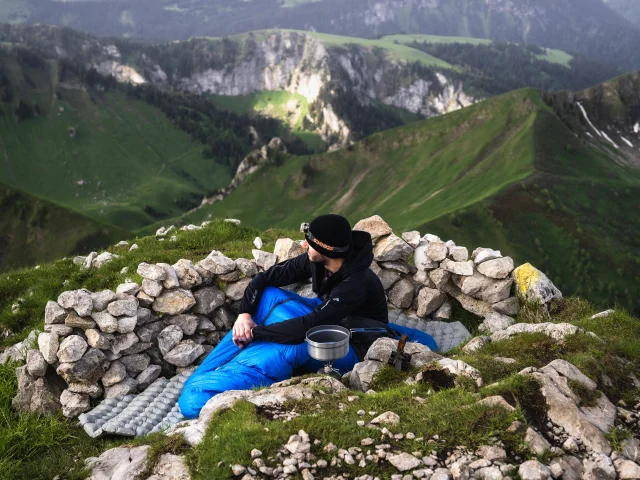
Bivouac Rando Dent D Oche 062024 Lbm Luc Buffard 1
|
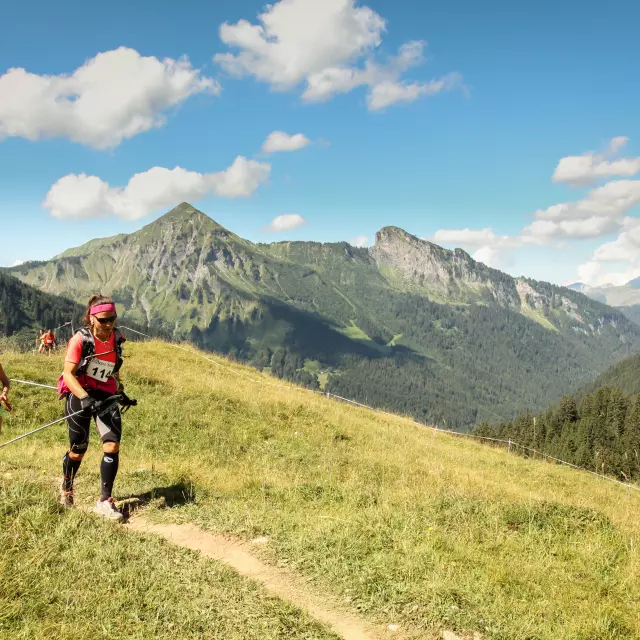
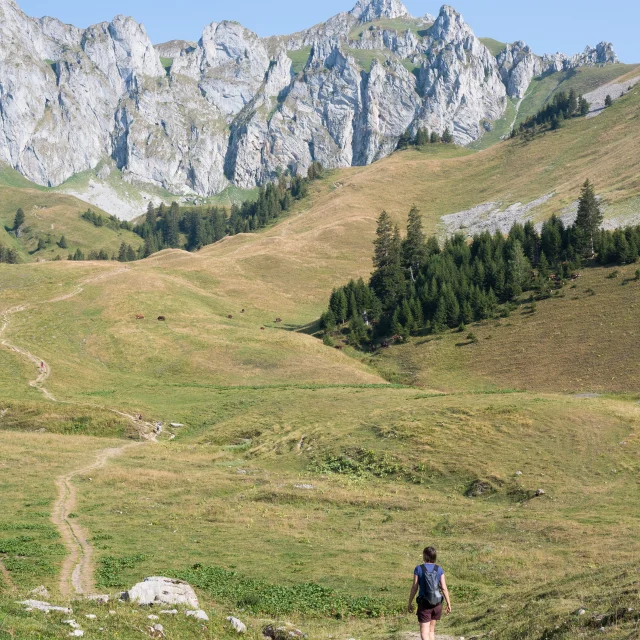
Trail La Chapelle d'Abondance
|
5. Enjoying mountain activities safely
Hiking and trail running
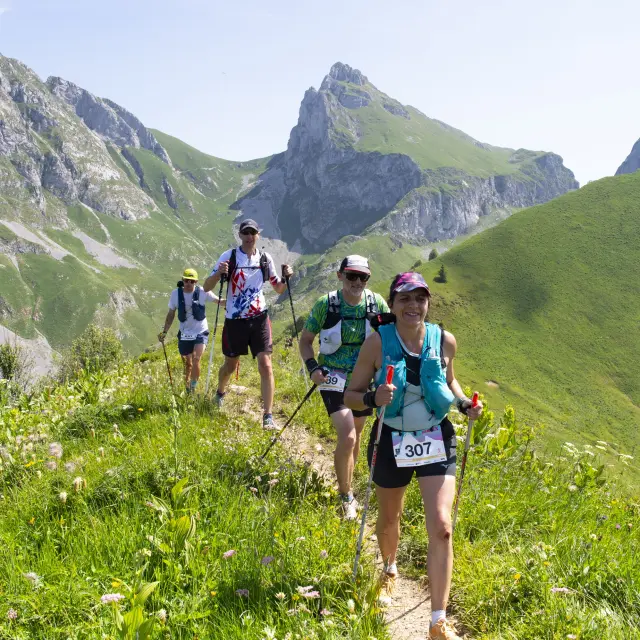
- Set off early to avoid heatstroke and late-afternoon thunderstorms.
- Choose to carpool or use public transport to get to the mountains (Chamonix Bus, Altibus).
Mountain biking and winter sports
- Wear a helmet and follow the trail signs.
- Adjust your speed to suit the terrain and other users.
Mountaineering and climbing
- Check your equipment before every outing.
- Always stay roped up on challenging routes.
- Check route guides and conditions on websites such as FFCAM or Camptocamp.
By following these best practices, you can enjoy the mountains to the full whilst helping to preserve this exceptional environment. 🌿🏔️