Lac Des Plagnes Picture Article
A fascinating glacial history
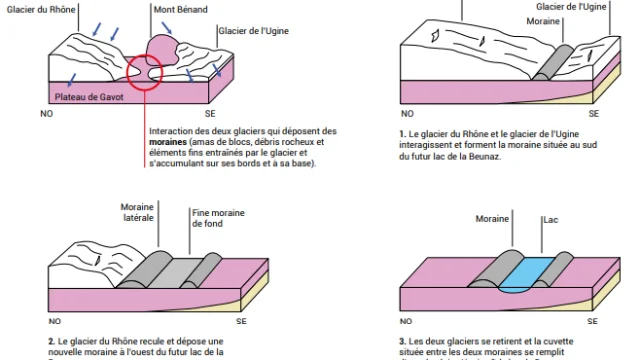
Between approximately 75,000 and 20,000 years ago, the passage of glaciers shaped the valley, creating rock barriers, terraces and glacial cirques (glacial depressions). The Ardens Glacier, flowing down from the Chavache ridge, eroded the rock and transported sediments as well as erratic boulders – stones or boulders that fell from the mountain tops onto the surface of a glacier and were carried by the glacier’s movement some distance from their point of origin.
As it melted, the glacier left behind moraine deposits – an accumulation of rock debris (till) carried or deposited by an impermeable glacier covering fissured rock. Consequently, two lakes were formed: Lac des Plagnes and Lac de Cubourré, fed by streams flowing down from the Pointe de la Chavache.
Over time, the rocks and sediments carried by the streams gradually filled in these lakes. Today, Lac de Cubourré has become a wetland, whilst Lac des Plagnes has become an artificial lake fed by a waterfall from Cubourré.
For further details on the lake’s geological history, see pages 44–45 of the booklet *Les lacs du Chablais *.
A rich and diverse ecosystem
Lac des Plagnes is a haven for numerous species of flora and fauna:
- Flora: Slender cottongrass, Scarlet orchid, Marsh helleborine.
- Fauna: Common toad, Long-tailed damselfly, Large red damselfly, Common pipistrelle, Whistling mouse.
To find out more about the site’s biodiversity, you can consult the leaflet on the Chablais lakes.
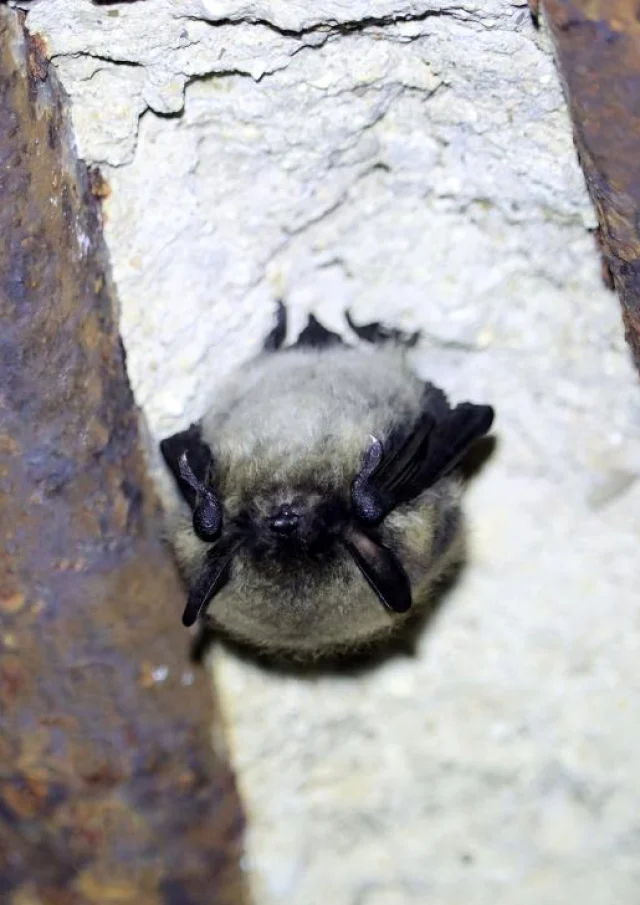
Whiskered Murin @p.amiard
|
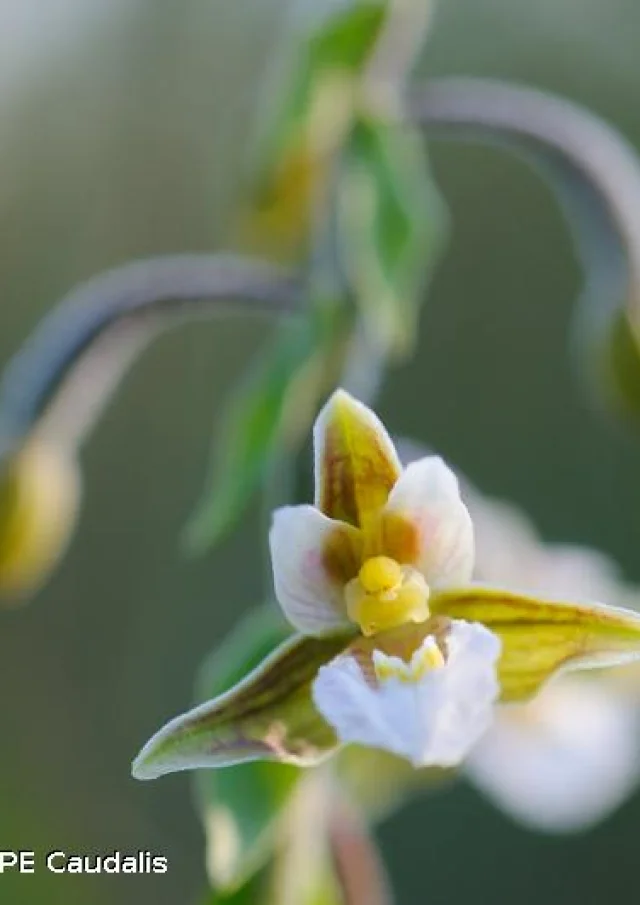
Epipactide Des Marais @e.sansault
|
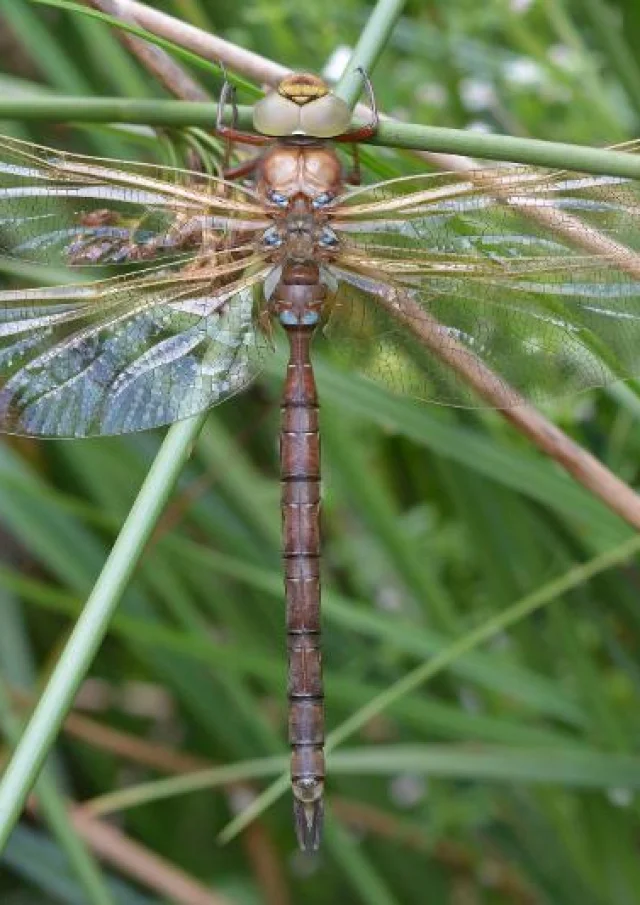
Great Aeschne @b.piney
|

Common Pipistrelle @marenwinter
|
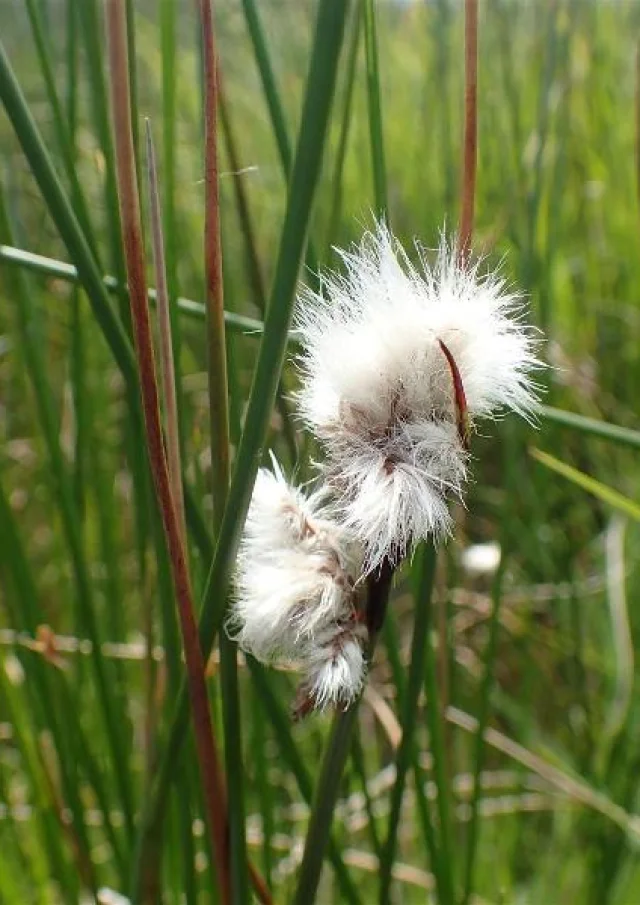
Linaigrette Grele @y.martin
|
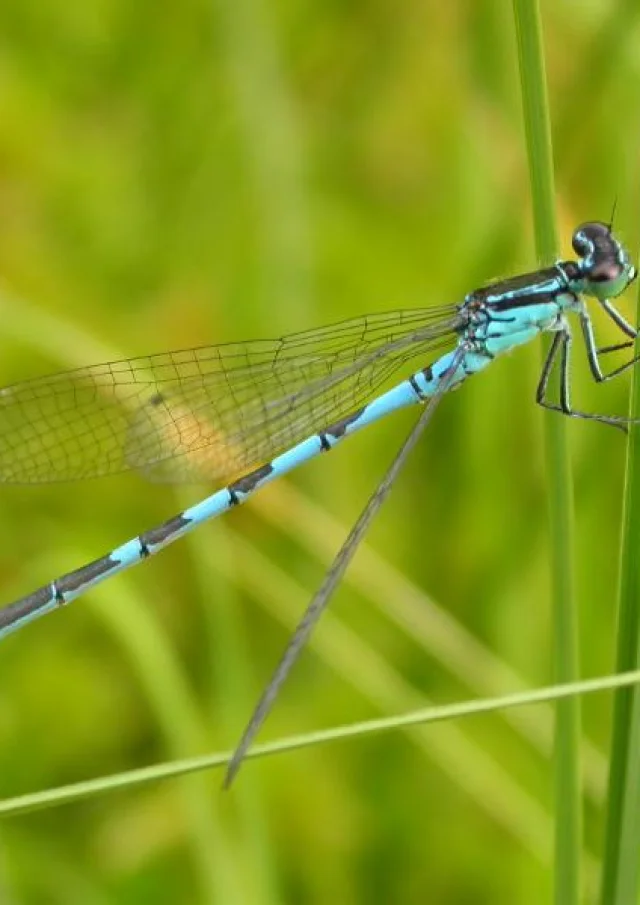
Agrion Haste @f.jiguet
|
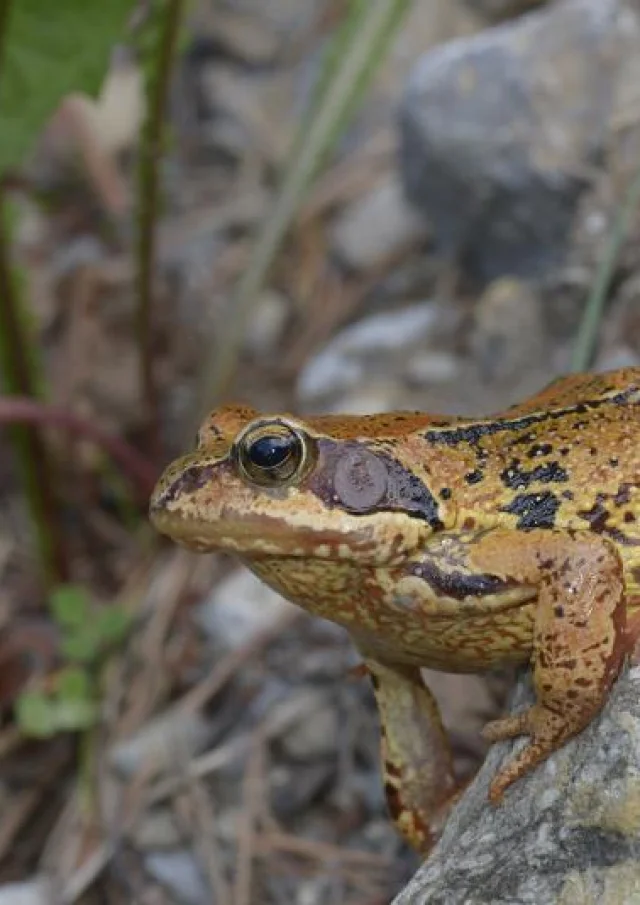
Red Frog @f.serrecollet
|
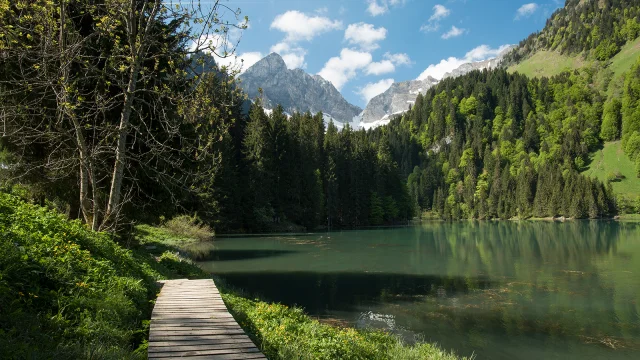
Lake Plagnes Abondance
|
A protected site: ENS designation
Lac des Plagnes has been awarded the ‘Haute-Savoie Nature’ label as a Sensitive Natural Area (ENS) for a period of 99 years, in partnership with the Haute-Savoie Department. Environmental management of the site is overseen by the Pays d’Évian – Vallée d’Abondance Community of Communes (CCPEVA).
The objectives of the management plan are:
- To preserve wetlands in order to maintain biodiversity and ensure they fulfil their ecological roles (water management, pollution control, CO₂ storage).
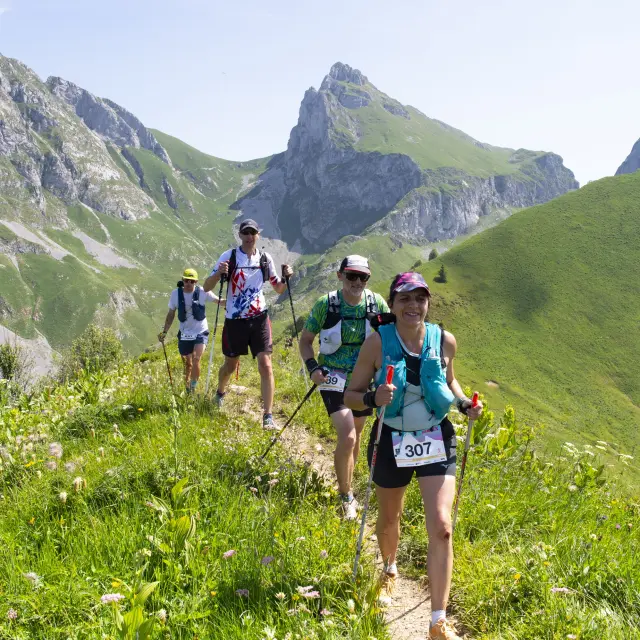
- To reconcile tourism with nature conservation: the site welcomes around 35,000 visitors a year, drawn by its spectacular landscapes and numerous hiking opportunities.
To improve accessibility, a cycle and footpath was created in March 2024, enabling visitors to walk safely around the lake.
What do the eco-guards have to say?
Since the creation of the cycle and walking path around Lac des Plagnes, the eco-guards have observed an increase in visitor numbers, which has enabled a wider public to enjoy the site safely. However, this influx has had indirect consequences for biodiversity:
- Environmental impacts: Campfires, stones being thrown into the lake, dogs roaming freely in the surrounding forests, unauthorised swimming and the picking of protected plants.
- Disruption to agricultural land: Stray dogs in the mountain pastures disturb the herds. Furthermore, haphazard parking of cars hinders access for farm machinery.
- Challenges in coexistence: The diversity of visitors (families, mountain bikers, anglers, hikers, walkers with pets and campers) sometimes leads to conflicts over the use of the area.
The work carried out in 2024 is only a first step towards improving visitor facilities and preserving the site. Awareness-raising initiatives and further improvements are underway to ensure harmonious coexistence between visitors, wildlife and local agricultural activities.
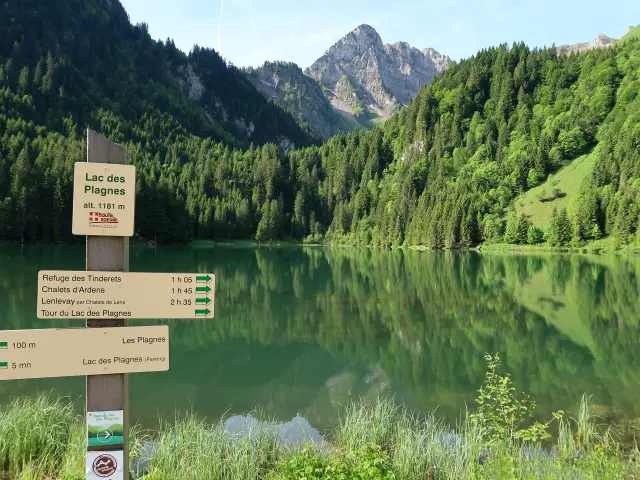
Lac Des Plagnes June 2017 05