
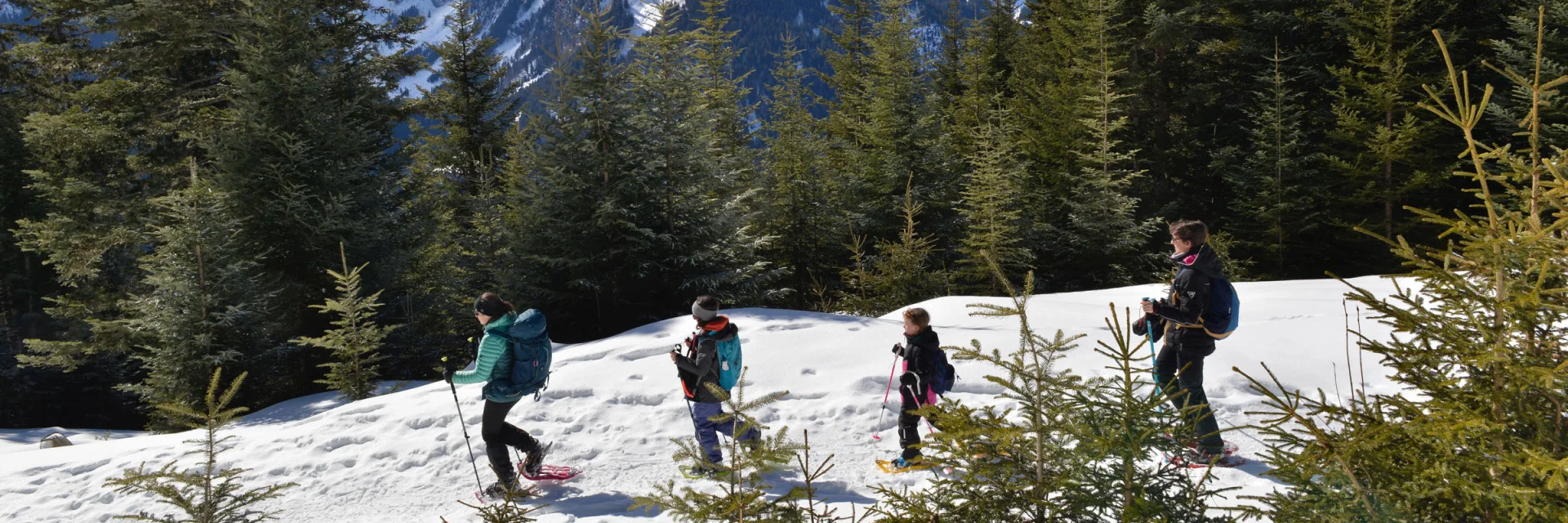
- 1. Stay safe
The mountains are wild places and certain precautions need to be taken:
- Check the weather forecast before setting off, as it can change in a matter of hours. This can help you avoid unpleasant surprises such as thunderstorms, fog, rain or extreme temperatures,
- Check trail conditions on specialist websites such as Camptopcamp or at local tourist offices,
- Study your route (difficulty, altitude difference, duration, technical nature), and plan a back-up route in case of bad conditions or fatigue,
- Consult IGN maps(Géoportail) and guidebooks to find and plan your route,
- Find out about protected areas and current regulations,
- Make sure you’re well equipped: hiking boots suited to the terrain, sufficient layers of clothing to adapt to changing weather conditions, an appropriate rucksack with everything you need (minimum 1.5 litres of water, snacks, map, compass/GPS, first aid kit, survival blanket, headlamp, charged telephone, etc.),
- Listen to yourself, monitor your fatigue and take regular breaks,
- If you encounter any difficulties, don’t take any risks and turn back if necessary,
- In winter, consult the Bulletin d’Estimation du Risque d’Avalanche (ANENA),
- In summer, watch out for landslides and flash floods,
- Download the“Gendloc” application to share your position in the event of an emergency.
Remember: when you go hiking, you are taking responsibility for your own safety and that of others.In France, emergency mountain rescue is free. But it is our responsibility to assess the need for emergency assistance. Alert in the event of an accident:
- 112: throughout Europe, free even if your operator does not cover the area,
- If there is no signal: switch the phone off and on again WITHOUT ENTERING THE PIN CODE, then dial 112,
- Try a text message to 114: emergency number for deaf and dumb people,
- Send an S.O.S in universal Morse code, using your emergency whistle or headlamp/telephone.
- 2. Be discreet
Our mountains are home to a multitude of animal species, so please respect their habitat… it’s where they belong!
- Remain discreet so as not to disturb wild animals, and keep your distance so that you can observe them without following or feeding them,
- Avoid shouting and music,
- In spring, please keep an even greater distance from them (whelping period).
As a reminder: our dog friends are also perceived as predators by wildlife, or a source of stress for herds, so it is vital to keep your dog on a lead. - 3. Be respectful
What about our waste? The best waste is the waste we don’t produce!
- Choose your products carefully ,
- Leave no trace of your waste by taking it with you (including biodegradable waste such as peelings),
- Use reusable water bottles
- Avoid disposable packaging
And what about our dog friends?
- Pick up their droppings (for the sake of cleanliness and respect for the environment, droppings are a source of disease transmission to farm and wild fauna).
As a reminder: animal drinking troughs are not places to wash your hands and feet, so please respect their water. - 4. Preserve the flora
Mountain flowers are superb but fragile and are more beautiful in their natural environment than in a bouquet…
- Please do not pick them (some areas are subject to regulations prohibiting picking (APPB – Arrêté préfectoral de protection de biotope) such as Mont de Grange or Cornettes de Bise.
- 5. Stay on the marked trails
Crossing paths off the beaten track weakens the vegetation, impacts the grazing resources for the herds and encourages erosion.
- Follow the official signposts
- Avoid taking shortcuts (this will also prevent you from getting lost).
Remember: mountain areas are often shared between private owners, and the herds will also thank you for not stepping on their food! - 6. Avoid swimming
High-altitude lakes are fragile ecosystems, heavily impacted by human activity.
- We therefore strongly advise against swimming in them, in order to protect them (the same goes for dogs and washing up…).
- 7. Share nature
Alpine pastures are often private land and workplaces:
- Remember to close the fences behind you and stay on the paths.
The paths are frequently used, and the itineraries may be shared by different users:
- Watch out for mountain bikes, hikers, runners, horses, etc.
Protection dogs are part of the mountain landscape, so behave accordingly:
- Identify yourself,
- Go around the herd if possible,
- Stop and speak calmly,
- Don’t make any sudden movements.
- 8. Find out about the bivouac rules
In France, bivouacs are tolerated but have a significant impact on our natural areas. To minimise this impact:
- Find out about the regulations in force (for example on the Parcs Nationaux de France website or directly from Tourist Offices) and, if possible, ask the owner or operator for permission,
- Give preference to refuges and equipped bivouac areas,
- Put up your tent at the end of the day and take it down in the early hours,
- Pitch your tent on short grass to reduce the impact on the vegetation,
- Avoid campfires in the open countryside to avoid starting fires,
- Take your rubbish and toilet paper with you,
- Do not wash yourself or your dishes directly in a mountain lake.
Follow Savoie Mont-Blanc’s advice:A smooth bivouac.
- 9. Think about your transport
Let’s give priority to public transport and car pooling to get to the starting points of our walks.
Remember: travel is the main source of CO2 emissions.
- 10. Enjoy your activities in complete safety
In our region, you’ll find a wide choice of activities, whether by the lake or in the mountains. Here are a few tips to help you make the most of them!
- We advise you to set off early to avoid heatstroke or thunderstorms at the end of the day,
- Make sure you know where you’re going beforehand and let your friends and family know.
Mountain biking and other board sports:
- Choose the right equipment,
- Wear a helmet,
- Respect the signs on the trails,
- Adapt your speed to ground conditions and other users.
- Check your equipment before each outing to make sure you haven’t forgotten anything,
- Always rope up on committed routes,
- Let your friends and family know where you are going,
- Consult the topos and conditions on websites such as FFCAM .
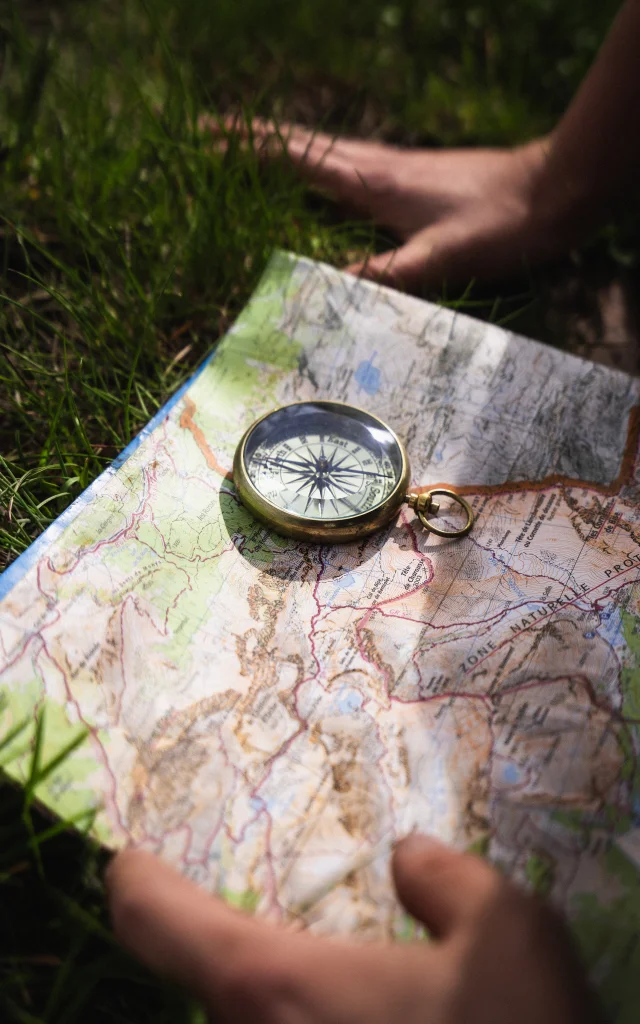 Bivouac Rando Dent D Oche 062024 Lbm Luc Buffard 8 1