©Darbon 140625 Mathilde Duchene 1

Discover the Lake Darbon

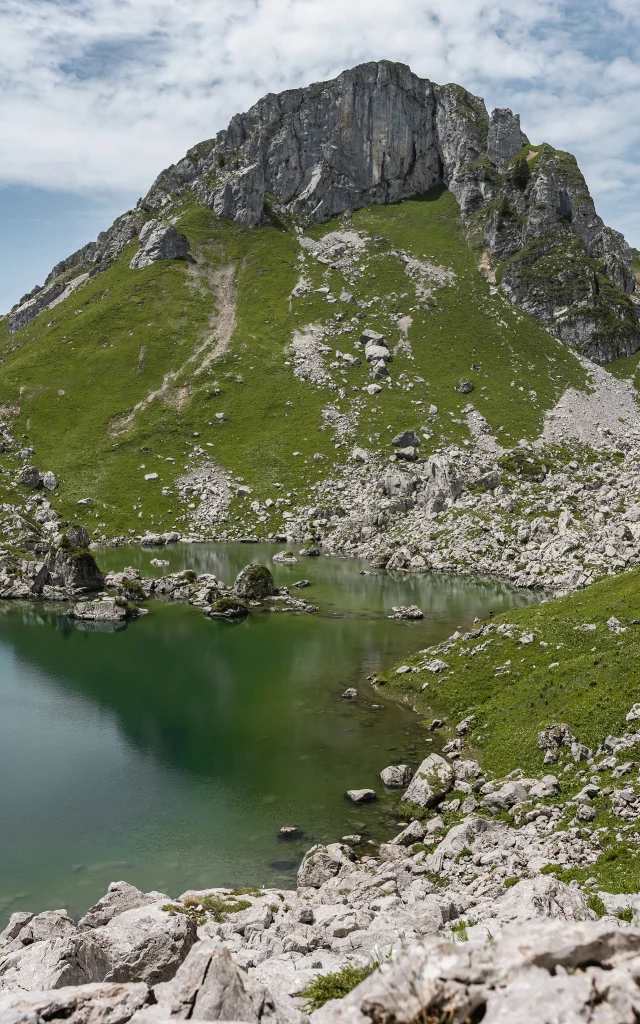
Plunge into the heart of the Chablais region and be seduced by the charm of Lac de Darbon, a mountain gem between Dent d’Oche and Cornettes de Bise.

Explore the natural beauty of Lac de Darbon, a peaceful hiking destination in the heart of the Chablais region

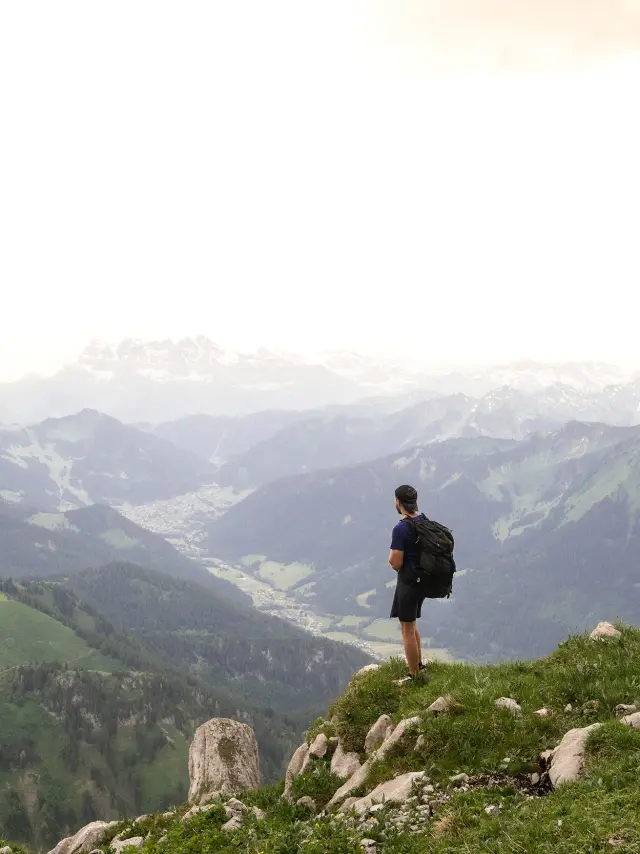
Situated in the heart of the Chablais region, between the imposing Dent d’Oche to the north and the Cornettes de Bise to the south, Lac de Darbon is a pleasant destination for a hike.

The route, which is not very difficult, takes you on a loop via the Col de Bise, the Col de Pavis, Lac de Darbon and the Col de Floray before descending to the hamlet of Bise.

This hike must be done in dry weather, as the descent is very steep.
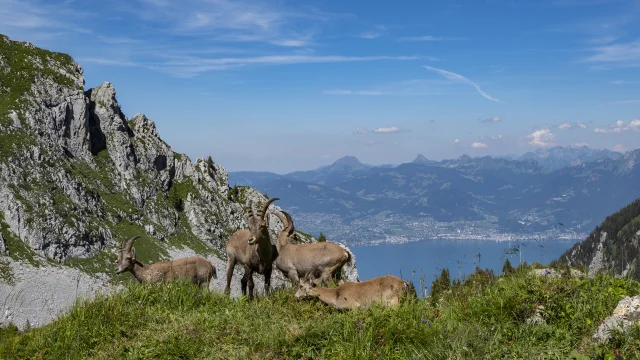
Walk to Darbon lake

  • Difficulty: Medium+.
  • Altitude: 1813 m
  • Time to climb: 2 h 00
  • Descent: 1 h 30
  • Total ascent: 590 m
  • Round trip: 6.0 km

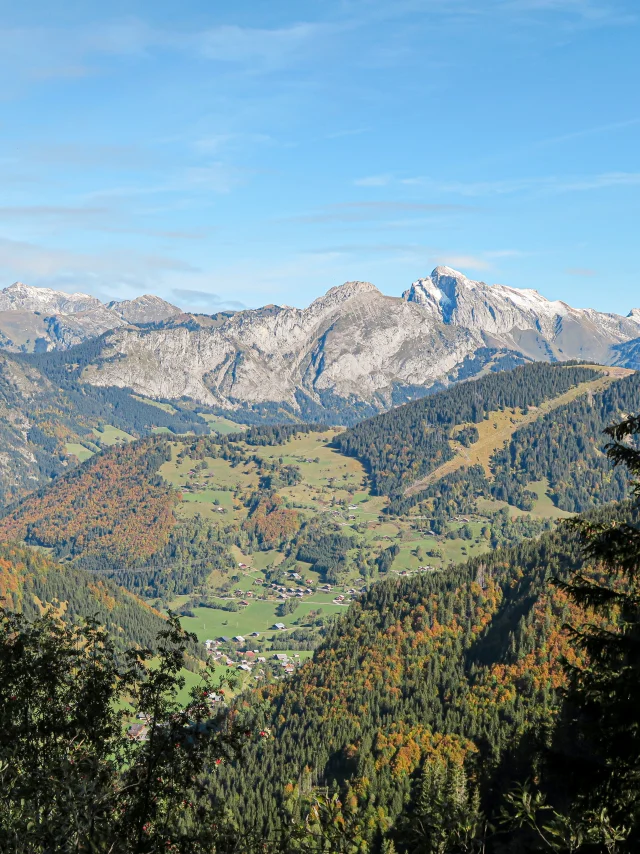
Enjoy a pleasant stroll along the picturesque paths of the Chablais region, discovering the unique charm of Lac de Darbon. With breathtaking panoramas and a well-marked route, this hike is an excellent option for outdoor enthusiasts of all levels.

Green news

Let’s protect our fragile mountain lakes!

Swimming in Lac de Darbon is now strictly prohibited*, including for pets.

Within a 200-metre perimeter around Lac de Darbon :

  • Dogs must be kept on a lead(this zone is adjacent to the Cornettes de Bise nature reserve).
  • Unauthorised camping, bivouacs and campfires are prohibited day and night.

Any infringement of this decree will be recorded in an official report.

*Why?

  • Sun creams, human bacteria, mineral salts, microfibres, snot, urine, faeces, products, etc, pollute the water.
  • The water in high-altitude lakes is not controlled water. They are therefore not suitable for bathing (novice bacteria may be present).
  • This means that the landscape and natural areas are respected, and the aquatic environment (flora and fauna) is preserved.
  • Limits trampling and degradation of neighbouring environments
  • The slightest organic input alters its natural balance: rocks, branches, food, etc.
  • Risk of eutrophication of the environment, introduction of bacteria and disease, cloudy water and warming of the water.

I want to see other lakes