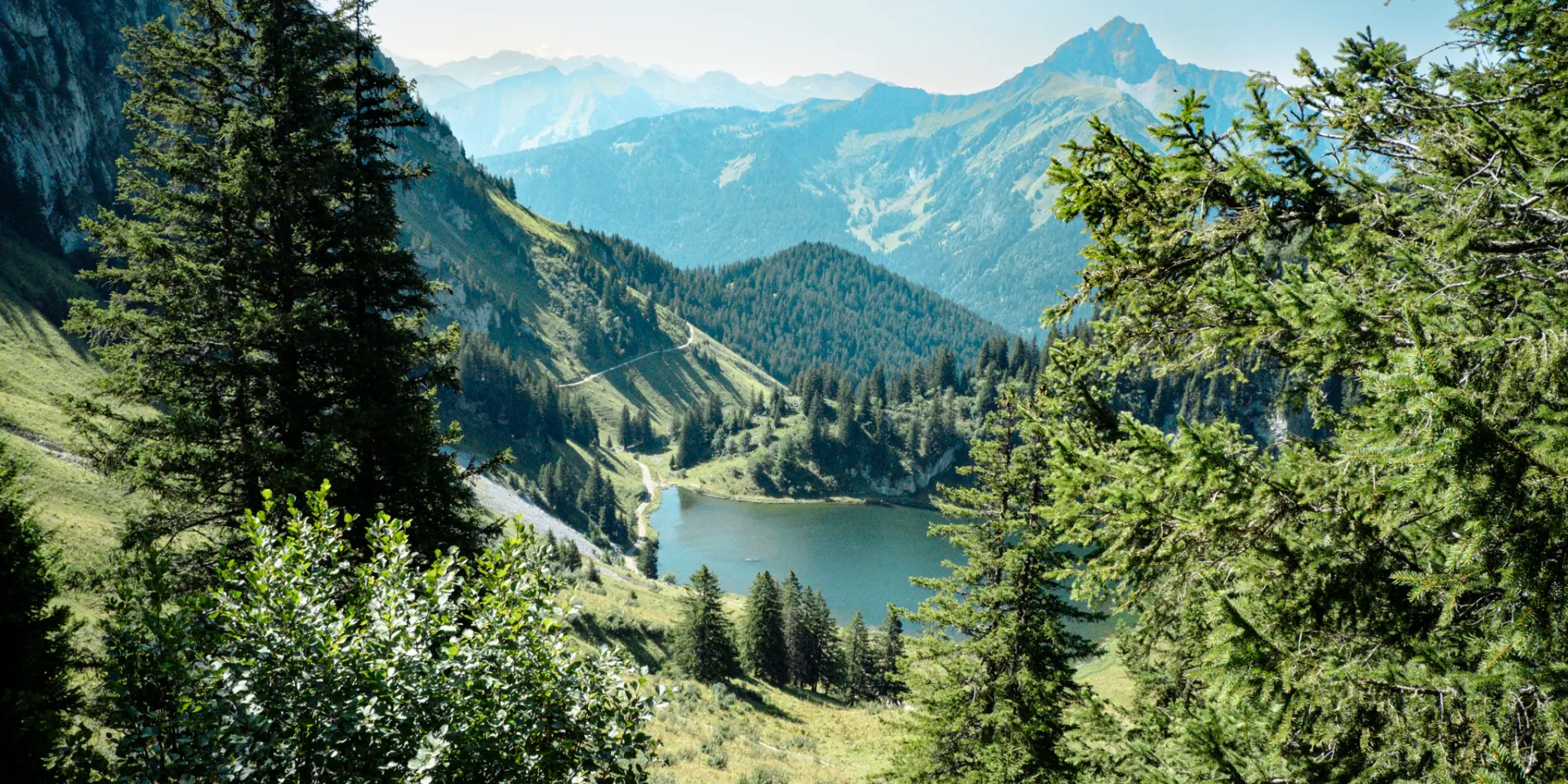
©Lac D Arvouin Hiking La Chapelle D Abondance 230824 Marie El Hajal 16

Discover the Lake Arvouin

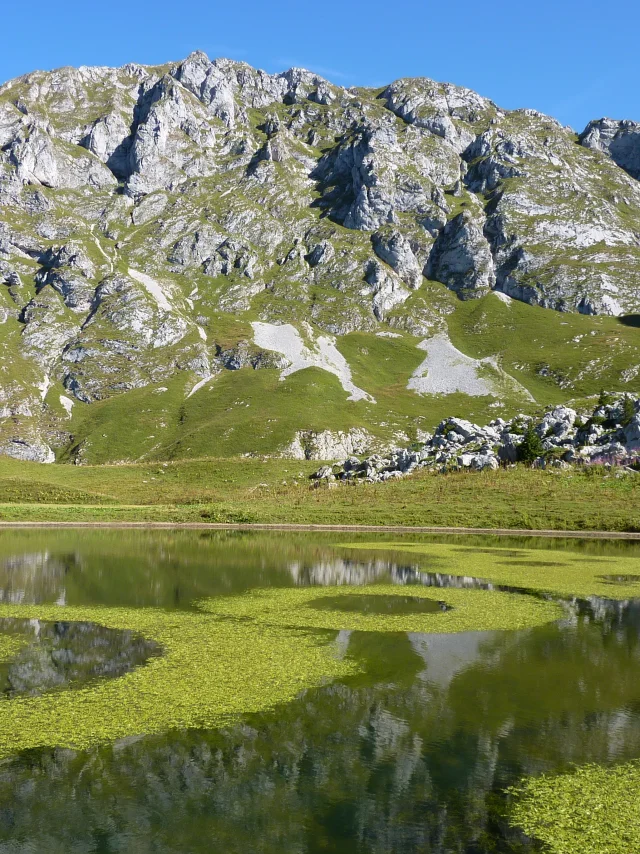
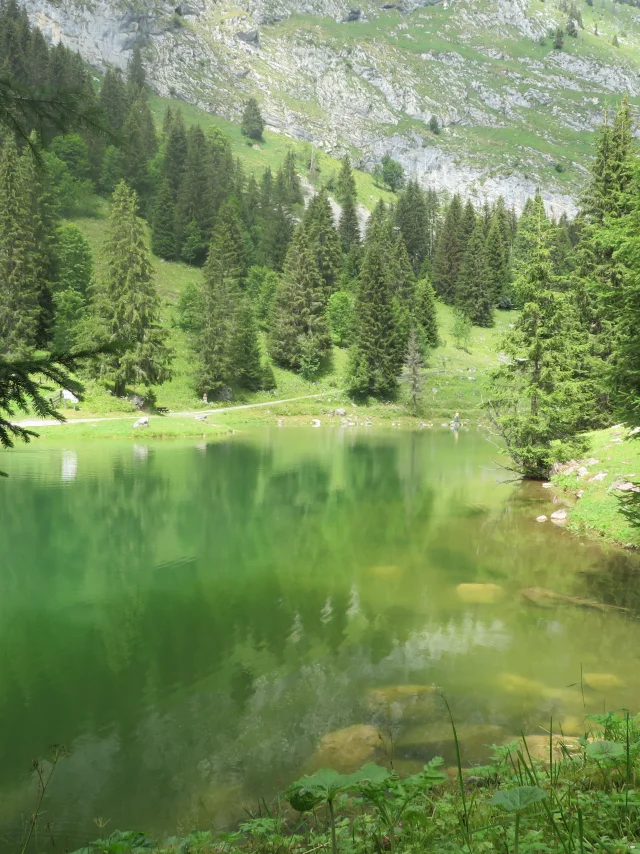
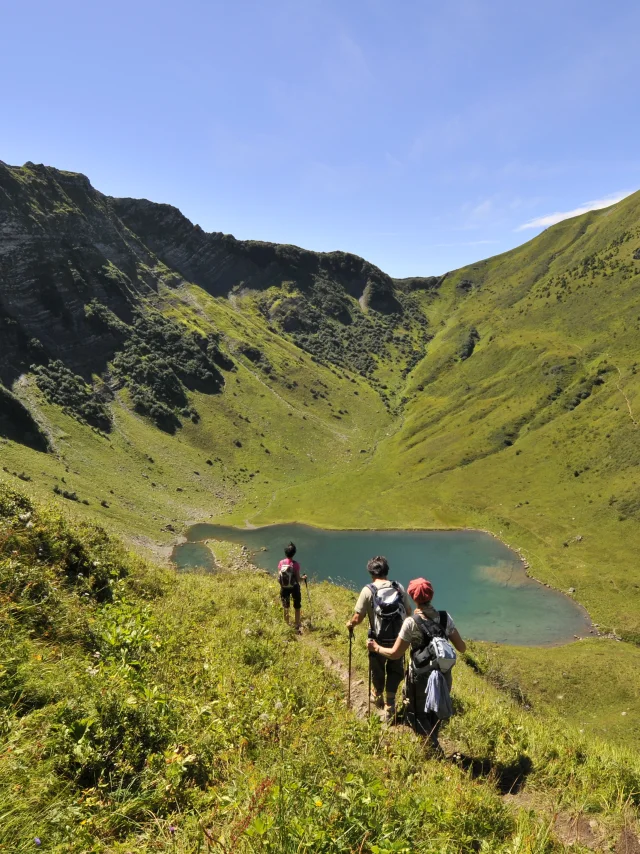
Discover Lac d’Arvouin, an Alpine jewel in the heart of the Vallée d’Abondance. Perfect for families, its access path offers spectacular views, making this an unforgettable experience.

Explore a natural treasure, Lac d'Arvouin, hidden in the heart of unspoilt mountains

Nestling near La Chapelle d’Abondance at an altitude of 1663 metres, Lac d’Arvouin is a natural gem accessible to all.

Whether on foot from La Chapelle d’Abondance or by gondola from La Panthiaz in summer, this hike offers breathtaking panoramic views of Mont de Grange and the Dents du Midi.

Lac d’Arvouin, a protected area in the Cornettes de Bise massif, is surrounded by unspoilt nature and has been classified as a Natura 2000 site.
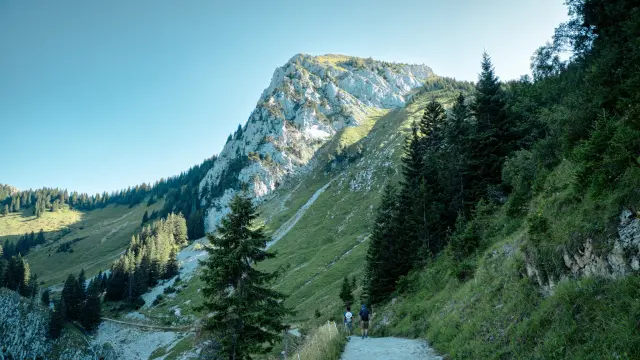
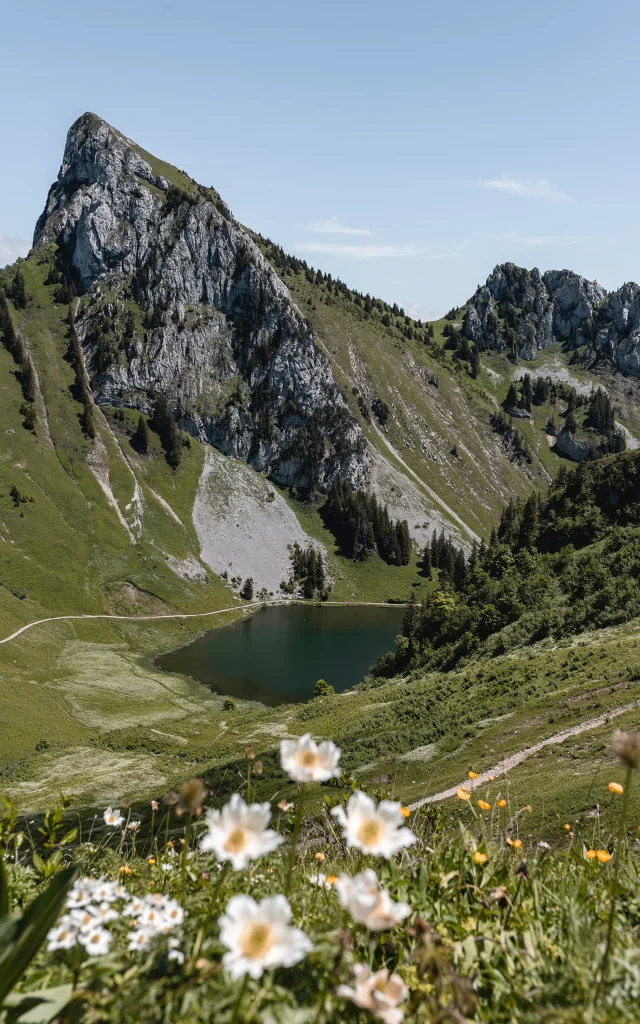
Hiking at Lake Arvouin

  • Difficulty: Easy
  • Altitude: 1663 m
  • Ascent time: 45 min
  • Difference in altitude: 87 m
  • Distance: 3 km (return)

Start from the Sevan car park and follow the path through alpine scenery to the lake.

The Col d'Arvouin

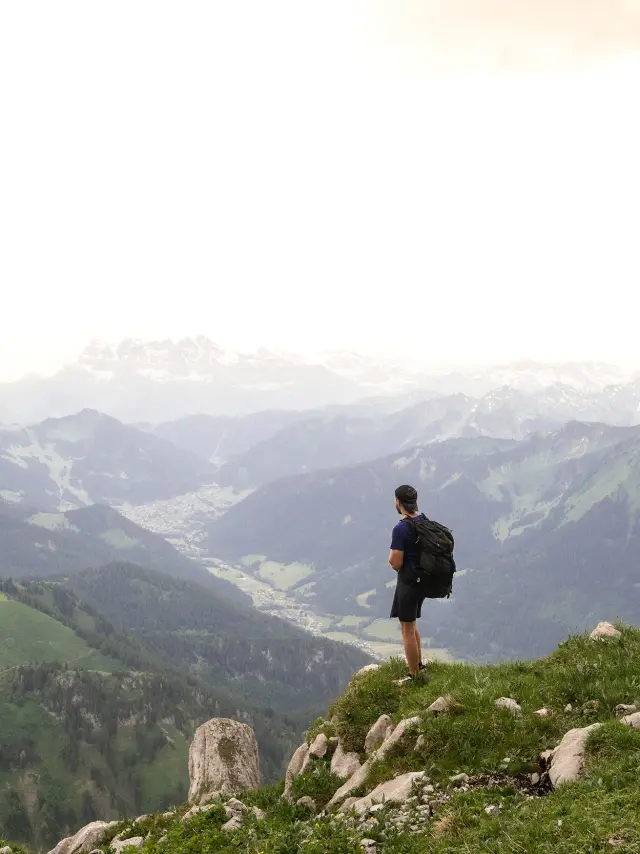
Continue your adventure from the lake to the pass for breathtaking panoramic views.

  • Difficulty: medium
  • Altitude: 1856 m
  • Time to climb: 2 hrs 05 mins
  • Descent: 1 h
  • Distance: 5.6 km (round trip total)
Green news

Let’s protect our fragile mountain lakes!

The wetland bordering Lac d’Arvouin below the chalet is a sensitive and protected heritage area. To avoid trampling and to preserve this rich and fragile ecosystem (protected flora and breeding ground for aquatic fauna), please do not walk around the Lac d’Arvouin, and stay on the main track leading up to the chalet.

And please don’t swim* (dogs included) – nature will be infinitely grateful!

*Why not?

  • Sun creams, human bacteria, mineral salts, microfibres, snot, urine, faeces, products, etc. pollute the water.
  • The water in high-altitude lakes is not controlled water. They are therefore not suitable for bathing (novice bacteria may be present).
  • This means that the landscape and natural areas are respected, and the aquatic environment (flora and fauna) is preserved.
  • Limits trampling and degradation of neighbouring environments
  • The slightest organic input alters its natural balance: rocks, branches, food, etc.
  • Risk of eutrophication of the environment, introduction of bacteria and disease, cloudy water and warming of the water.