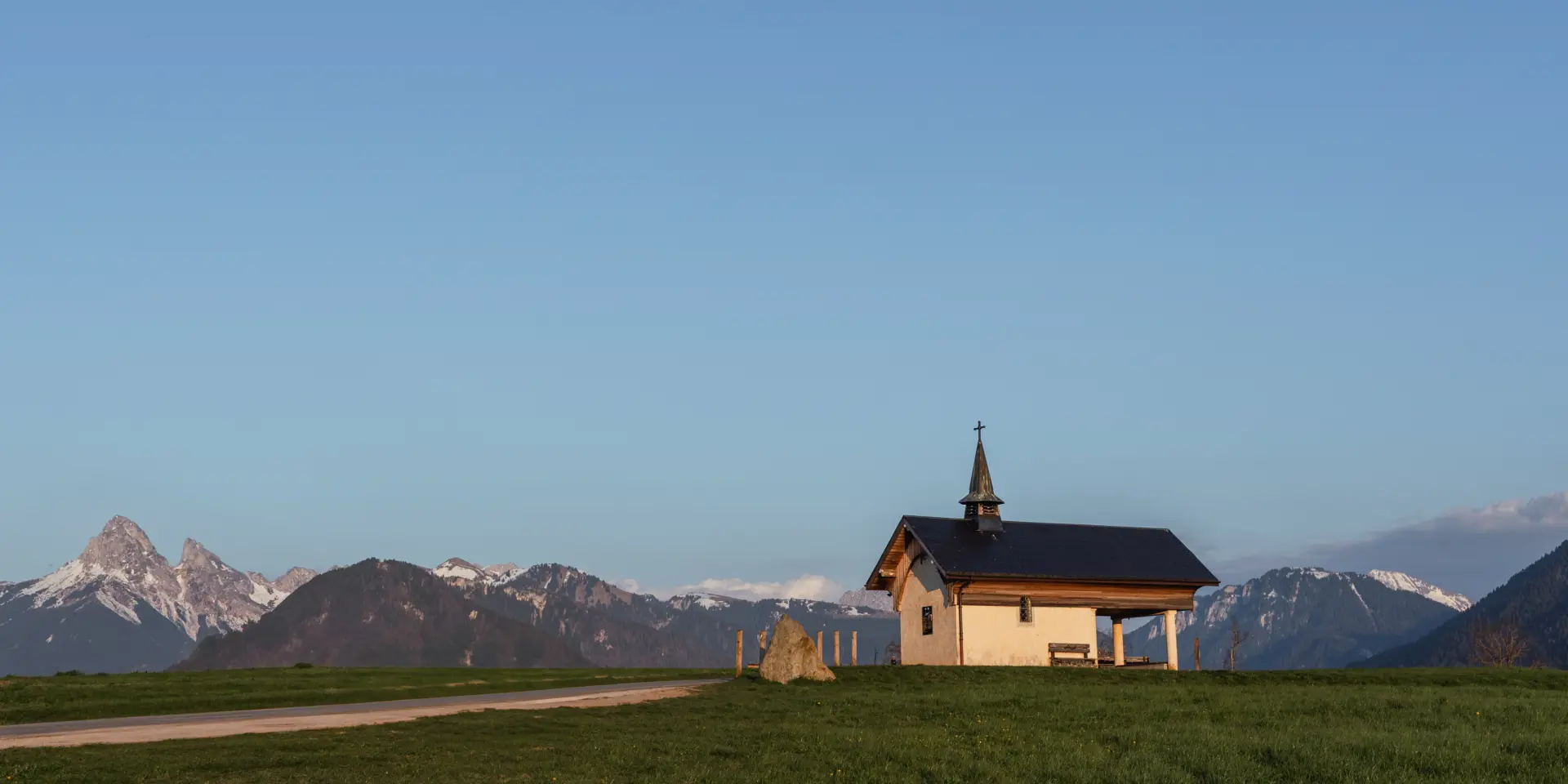
©Champeillant Sunset Mathilde Duchene April25 6

Discover The Chablais Geopark

Leman Mountains Explore is located in the heart of the Chablais UNESCO Geopark. Awarded the label in 2012, the Chablais is France’s fourth Geopark, recognised not only for its remarkable geological sites but also for its human and cultural heritage and the richness of its exceptional landscapes.

Welcome to the Chablais Unesco World Geopark

A UNESCO Global Geopark is a coherent geographical entity characterised by sites and landscapes of global geological importance. Geoparks aim to promote and enhance the connections between this geological heritage and all other elements of heritage, whether natural, cultural or intangible. They are managed according to principles of protection, education and sustainable development, while raising awareness of the importance of preserving the Earth for future generations.

Geopark mediators, grouped together in an association called “Téthys Chablais”, raise awareness, share and help visitors discover the area’s heritage.

The Chablais Geopark, whose rocks bear witness to a history that began 250 million years ago, offers you a real journey through time.
Our Geosites not to be missed

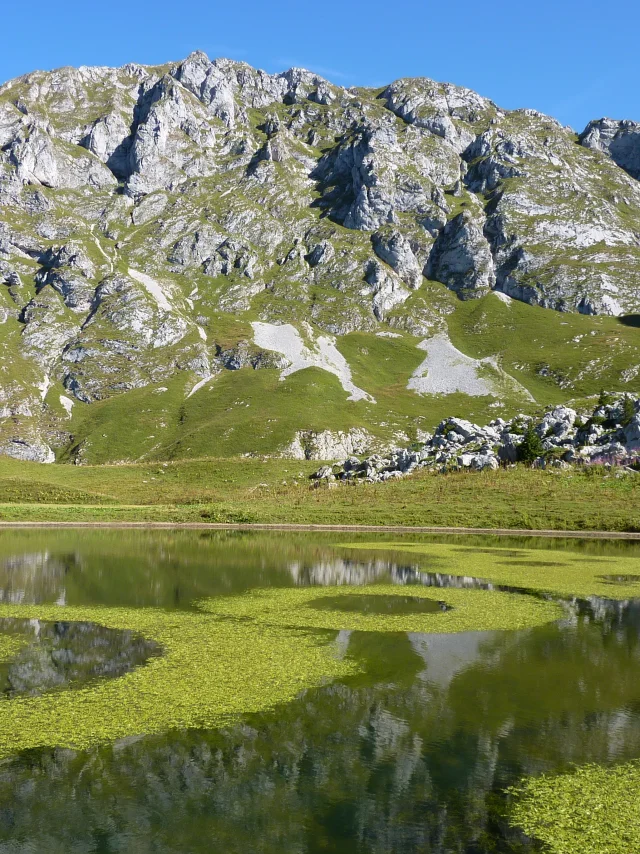
A geopark comprises a number of sites of outstanding scientific interest, rarity, aesthetic appeal or educational value. They may also be of archaeological, historical or natural interest. It responds to the desires and needs of a more sustainable and authentic form of tourism, motivated by a return to nature in unspoilt countryside.

There are 7 geosites in the Leman Mountains Explore area:

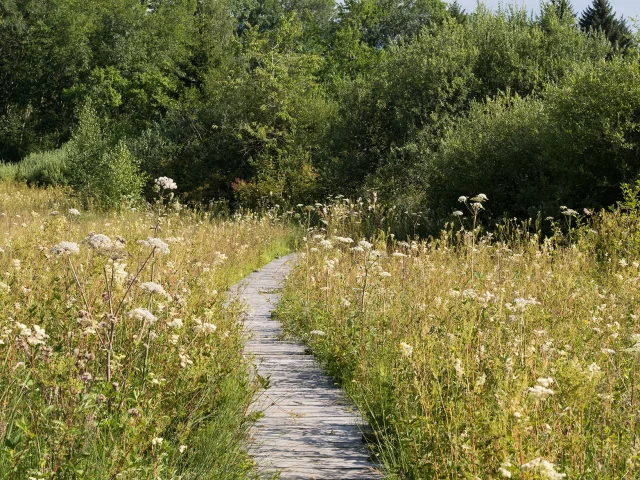
  • Maravant Marsh,
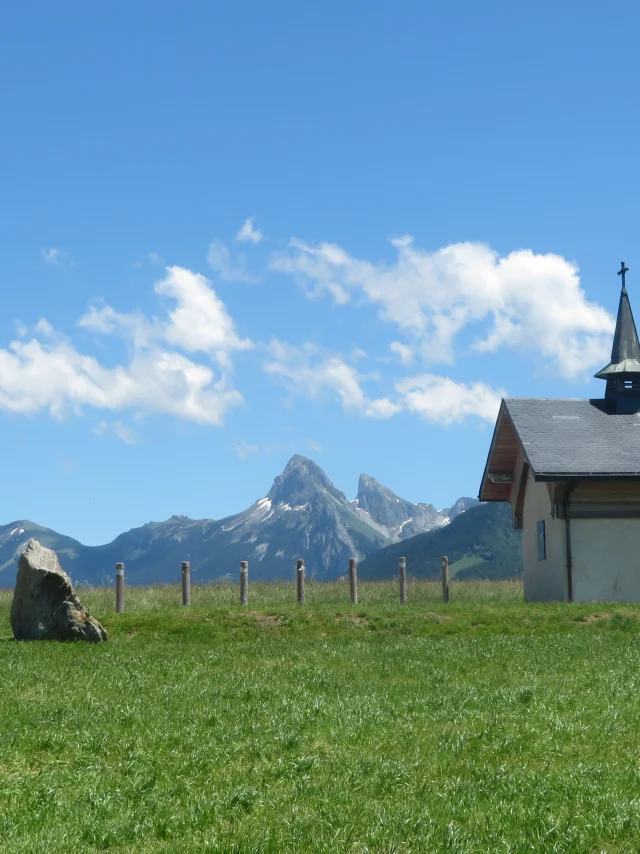
  • Panorama de Champeillant,
  • Mont Bénand,
  • Panorama du Pré Richard,
  • Alpage de Bise,
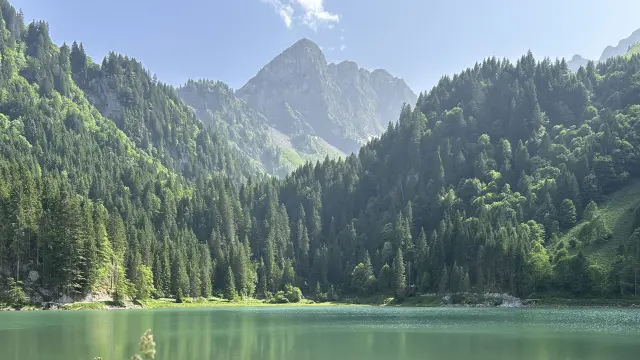
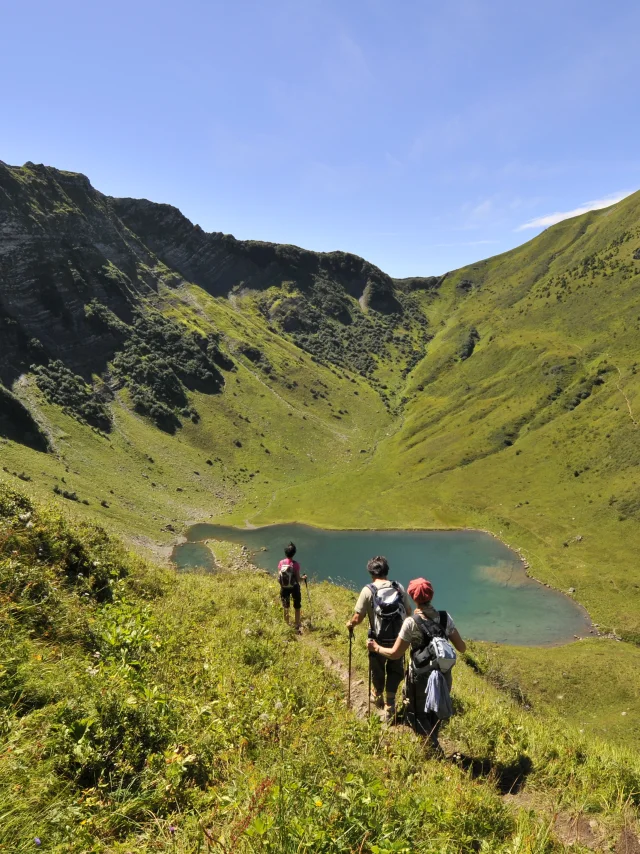
  • Lac des Plagnes,
  • Col de Bassachaux.

Recognition by UNESCO

Double UNESCO recognition for the Chablais region
Since December 2023, transhumance has been recognised as part of UNESCO’s Intangible Cultural Heritage of Humanity. The lives of the people who live in the villages of the Chablais are shaped by the seasons, and transhumance (the migration of a herd of herbivores to pastures) is still practised in our region.

This is a fine form of recognition and protection for these practices and traditions, which promote mountain pastures, terroirs, PDOs and mountain know-how.