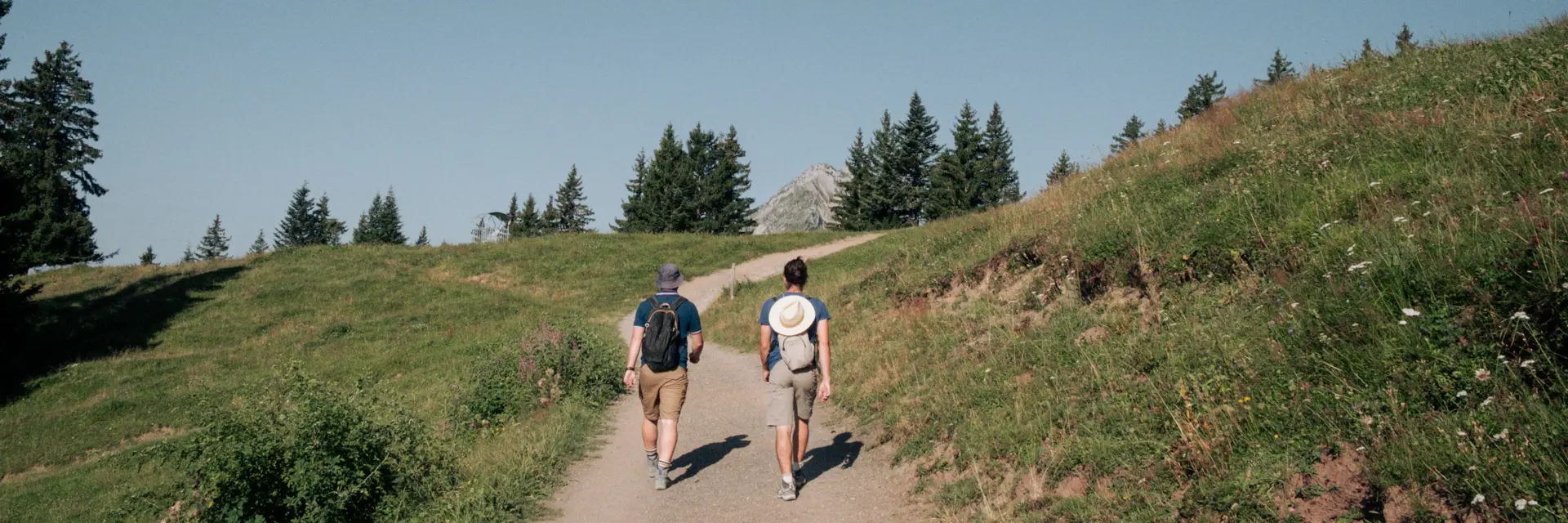
©Lac D Arvouin Hiking La Chapelle D Abondance 230824 Marie El Hajal 79

Traveller's Charter eco-responsible

Above all, a holiday is a time to recharge your batteries, to reconnect and to take the time to share, discover and enjoy every moment.

To help you make the most of your experience, here are a few tips to ensure that everyone has the best possible time while respecting the magnificent setting of Leman Mountains Explore.

Only the footprints of our footsteps should remain behind us; let’s leave the best of memories with our hosts.

Ethical Charter for Travellers, 1996, ATR
I move smoothly

To reduce the impact of your journeys and avoid pollution :
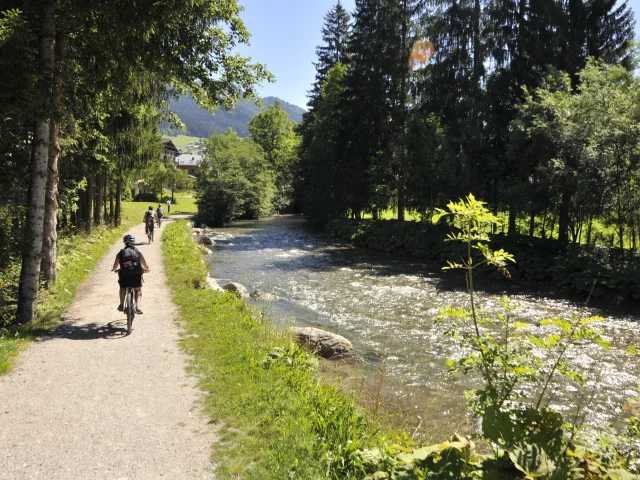
  • Encourage car pooling and public transport
  • For short distances, walk instead.
  • Find out about how to get around the region before your trip.
  • Once you’re here, don’t hesitate to go to the Tourist Office for advice on how to get around more easily, or to hire a bike or other means of transport.
  • By car, make the most of your journeys by driving smoothly at a constant speed. Make sure your tyres are sufficiently inflated and switch off the ignition for long stops.

I meet genuine people

  • Encourage short circuits
  • Visit wineries, go to marketsandmeet local producers.
  • Find out aboutlocalcustoms and traditional festivals to discover the atmosphere of the towns and villages at Leman Mountains Explore

Consuming locally

  • Visit farms
  • Discover local craftspeople who offer a wide range of activities and tours to help you discover their art.
  • Find out where products sold as “local” come from, and ask questions about the composition of the materials and where they come from.
  • Buy useful souvenirs that are interesting for their quality and manufacturing process (local crafts, sustainable or recycled materials, etc.).
  • When dining out, choose restaurants that have been awarded the Maître Restaurateur label, as they guarantee local, fresh and seasonal cuisine.
  • Think of small weekly markets for your purchases

I limit my energy consumption

In any accommodation:

  • Remember to turn off lights when you leave a room
  • Unplug household appliances when not in use, rather than leaving them on standby
  • Take showers rather than baths, and turn off the water when brushing your teeth or washing up
  • Don’t use the air-conditioning or heating for nothing, and adjust your clothes accordingly

Sustainable walking

  • Don’t put your life at risk by walking off the beaten track
  • Make sure you have suitable equipment
  • If you are on your own, always remember to tell someone you know where you are going and what your itinerary is.
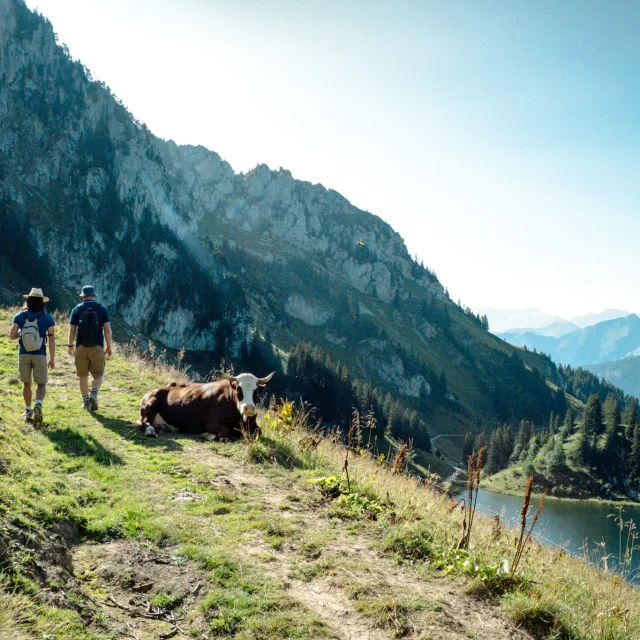
  • Stay on open, signposted paths so as not to damage the vegetation and respect the wildlife. Rather than picking flowers, why not take a photo of them? In this way, you’ll be taking a beautiful, lasting souvenir home with you, and preserving our environment.
  • The animals you come across don’t need to be fed – nature takes care of that. Keep your distance so as not to frighten them or harm their health.
  • Take your rubbish with you, including cigarette butts and your dog’s waste
  • Respect the peace and quiet of residents and other road users
  • Fishermen and hunters, find out when these activities are open, respect the regulations in force and the designated areas.

    I respect the ecosystem

    Want to cool off?

    • Take a short break in the shade and hydrate yourself with your water bottle.
    • Mountain lakes are not swimming pools, so don’t swim in them! When they come into contact with the water, sun cream or body care products used by bathers can release chemical pollutants that destroy the local fauna and introduce micro-organisms that do not exist naturally in this ecosystem.

    I'm having a zero waste picnic

    To make sure you don’t leave a trace behind, there are a few easy tips you can apply when picnicking:

    • Use water bottles for your drinks, which you can fill from the tap to enjoy the benefits of local water
    • Bring reusable glasses and cutlery (ecocups, stainless steel cups, etc.)
    • Cook at home to avoid packaging and favour local products
    • Carry your food in tupperware or lunch boxes
    • Use cloth napkins
    • Use your tupperware to take home any leftovers and waste you may have generated, so you can throw them away or finish them off at home.

    I collect and sort my rubbish

    Did you know?

    The lifespan of waste in nature is …

    • Over 3 months for a tissue
    • 6 months for peelings
    • 5 years for chewing gum
    • 100 to 1000 years for a plastic bottle
    • 4000 years for a glass bottle

    Whether you’re on holiday or at home, don’t just throw anything away!
    On a daily basis, in your holiday accommodation or outside, use the appropriate bins provided and follow the area’s sorting rules.